By FCN Staff
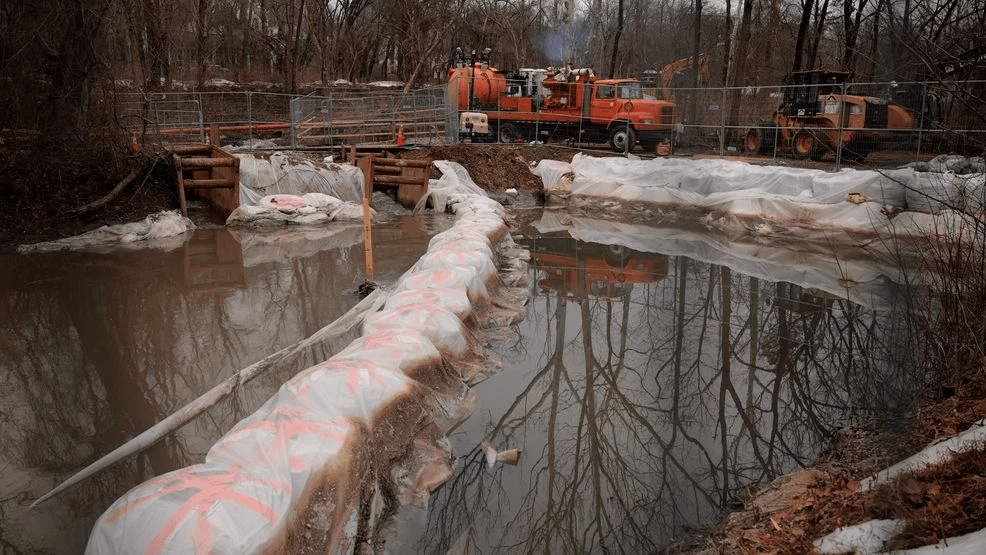
After days of contamination concerns, DC Water says a section of the Potomac River is expected to reopen soon following a significant sewage spill that forced temporary closures and raised new questions about infrastructure oversight in the nation’s capital.
According to officials, the affected stretch of river was closed as a precaution while water quality testing continued. Early results now suggest conditions are improving, and authorities anticipate lifting restrictions once final test results confirm safety standards are met.
For residents, boaters, anglers, and families who rely on the Potomac for recreation, that’s welcome news. But reopening the river doesn’t automatically close the broader conversation.
The Spill and the Stakes
The Potomac is not just a scenic backdrop to Washington — it’s a working river, a recreation hub, and a regional economic asset. When a sewage spill hits, the consequences ripple far beyond temporary advisories.
Water contamination affects:
- Public health
- Tourism and small businesses
- Local environmental recovery efforts
- Public confidence in city infrastructure
DC Water has invested billions into upgrading systems, including long-term tunnel projects aimed at reducing combined sewer overflows. Yet incidents like this remind residents that aging infrastructure, heavy rainfall, and system vulnerabilities still pose risks.
A Pattern or an Exception?
The key question isn’t simply whether the river reopens this week. It’s whether the underlying risk has been meaningfully reduced.
Washington, D.C., has positioned itself as a leader in climate resilience and green infrastructure. But resilience isn’t a press release — it’s measurable performance under stress.
A center-right perspective doesn’t oppose infrastructure investment. It demands results for the dollars spent.
If ratepayers are footing the bill for modernization, then transparency, maintenance discipline, and measurable outcomes must follow. Residents deserve to know:
- What caused this specific spill?
- Was it preventable?
- How quickly was the public notified?
- What safeguards are being implemented now?
Infrastructure Is Not a Partisan Issue
Clean water is one of the most basic functions of local government. It’s not ideological. It’s foundational.
D.C. residents already face some of the highest utility costs in the region. They have a right to expect reliability in return. Infrastructure systems are invisible when they work — and headline news when they don’t.
If this was a rare anomaly, officials should provide data showing downward trends in overflow events. If not, then leadership must outline a corrective strategy, not just a reopening timeline.
Trust Is Built on Transparency
DC Water says testing indicates improvement, and reopening appears imminent. That’s good news.
But public trust depends on more than improved test results. It depends on candid explanations and clear accountability.
In a city where billions flow through federal grants, local rate increases, and environmental initiatives, the public deserves more than assurances. It deserves proof.
The Potomac may reopen in the coming days. The larger test — whether Washington can maintain modern, resilient infrastructure worthy of the capital of the United States — is ongoing.
 Federal City News