
Access to justice improves — but structural reform still needed
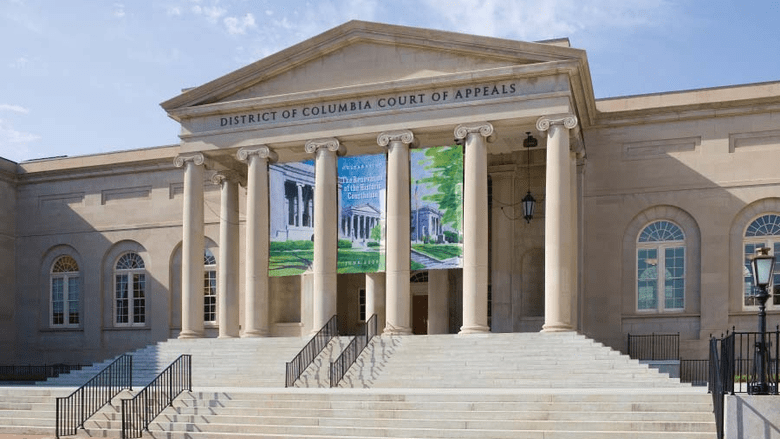
Washington, D.C. — In a move that reflects a growing reality in America’s courtrooms, the D.C. Courts have announced a new pathway designed to help residents who are navigating the legal system without an attorney.
According to reporting from WTOP, the initiative creates expanded access points for self-represented litigants — often called “pro se” parties — to receive legal guidance, forms assistance, and procedural direction without hiring full-scale counsel. The program aims to bridge a widening gap between those who can afford representation and those who cannot.
For a city with stark income disparities and rising legal costs, that gap has become impossible to ignore.
The Reality: More People Going It Alone
Across the country, and particularly in high-cost jurisdictions like the District, more litigants are appearing in court without attorneys. Housing disputes, family court matters, protective orders, small claims cases, and administrative hearings routinely involve at least one unrepresented party.
Judges often face a difficult balance: maintaining neutrality while ensuring fairness in proceedings where one side may not understand deadlines, evidentiary standards, or procedural rules.
The D.C. Courts’ new pathway appears to recognize that access to justice cannot simply mean “access to a courtroom.” It must also mean access to understandable processes.
A Practical, Limited Solution
The initiative reportedly expands legal help resources, potentially including structured legal clinics, document review assistance, and clearer procedural guidance.
That is a step in the right direction.
But center-right observers will note an important distinction: helping citizens navigate the system is not the same as reforming the system itself.
If legal processes are so complex that ordinary, literate adults cannot reasonably manage them, the problem is not only representation — it is institutional design.
The Cost of Complexity
The American legal system has grown increasingly technical. Filing deadlines, service requirements, motion practice, evidentiary rules, and procedural traps can derail even diligent litigants.
For middle-class Washingtonians — who may not qualify for legal aid but cannot afford $400–$600 hourly attorney fees — the result is a painful choice: drain savings or gamble on self-representation.
A government that taxes, regulates, and enforces aggressively has an obligation to ensure that its courts remain accessible, comprehensible, and efficient.
That obligation should not be ideological. It should be foundational.
The Broader Debate: Access vs. Reform
Progressives often frame access-to-justice discussions as funding questions: more public defenders, more legal aid grants, more court-appointed counsel.
Those investments matter.
But a center-right perspective adds another dimension: structural simplification.
• Why are forms not standardized and plain-language?
• Why are hearings often scheduled in ways that punish working parents?
• Why does minor procedural misstep sometimes outweigh substantive fairness?
• Why are digital filing systems still cumbersome for everyday users?
If courts are public institutions, they should operate with user-centered design in mind — just as modern businesses do.
Accountability and Transparency
Any expansion of assistance programs should also include measurable metrics:
• Are case outcomes more consistent?
• Are litigants resolving disputes faster?
• Are fewer cases dismissed on technical grounds?
• Is public confidence increasing?
Without transparency and data, well-intentioned programs risk becoming bureaucratic additions rather than meaningful reforms.
Why This Matters in the District
Washington is unique. It is both a local jurisdiction and the seat of federal power. Its court system often handles sensitive matters — from landlord-tenant disputes to domestic relations cases — that directly affect family stability and economic mobility.
When everyday residents feel overwhelmed or unheard in court, civic trust erodes.
In a city already strained by political polarization and institutional skepticism, rebuilding trust at the local level matters.
A Step Forward — With More Work Ahead
The D.C. Courts deserve credit for acknowledging the growing population of self-represented litigants and attempting to meet them where they are.
But the long-term solution cannot rest solely on creating guidance pathways. It must also include:
• Simplified procedures
• Greater digital modernization
• Clearer language
• Cost transparency
• And stronger safeguards against procedural gamesmanship
Justice should not require a law degree to pursue.
The new pathway is progress. The next step is ensuring that the system itself becomes less intimidating, less technical, and more accessible to the very citizens it is meant to serve.
 Federal City News