By FCN Staff
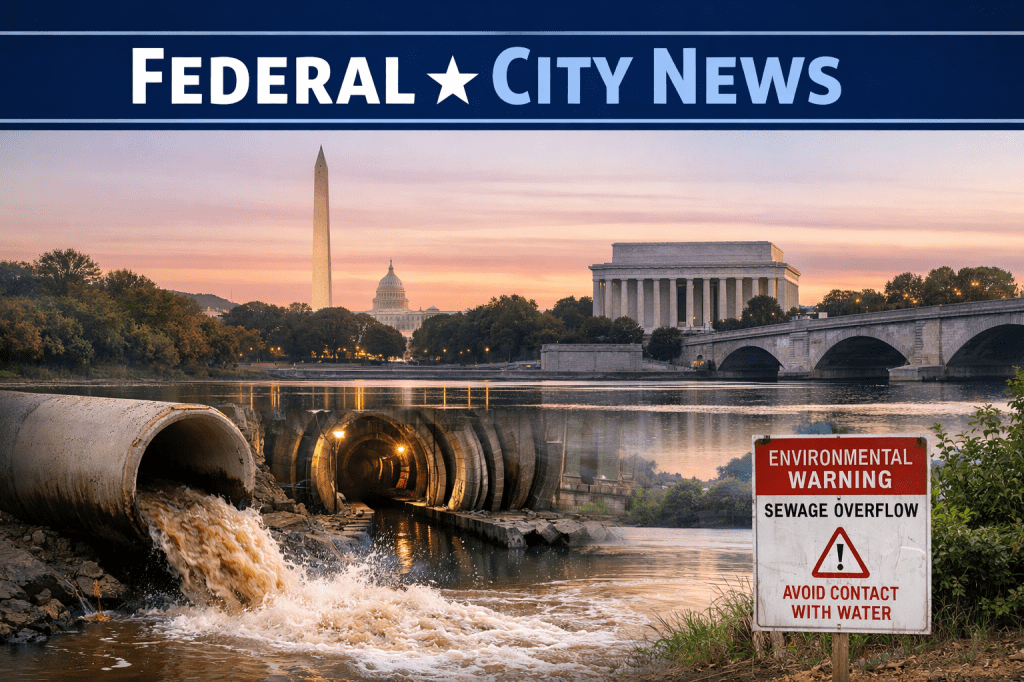
Washington, D.C. residents were reminded this week of the fragile state of the city’s underground infrastructure after DC Water confirmed a sewer overflow incident involving the Potomac Interceptor on February 7.
According to DC Water, the overflow was caused by a blockage in a major sewer line that runs along the Potomac River. The blockage resulted in untreated wastewater discharging into the river before crews were able to isolate and clear the obstruction. Officials say the incident has since been resolved and that monitoring is ongoing.
While the utility emphasized that the situation was contained and addressed promptly, the incident has renewed concerns about infrastructure reliability, environmental stewardship, and how quickly the public is informed when failures occur.
What Happened
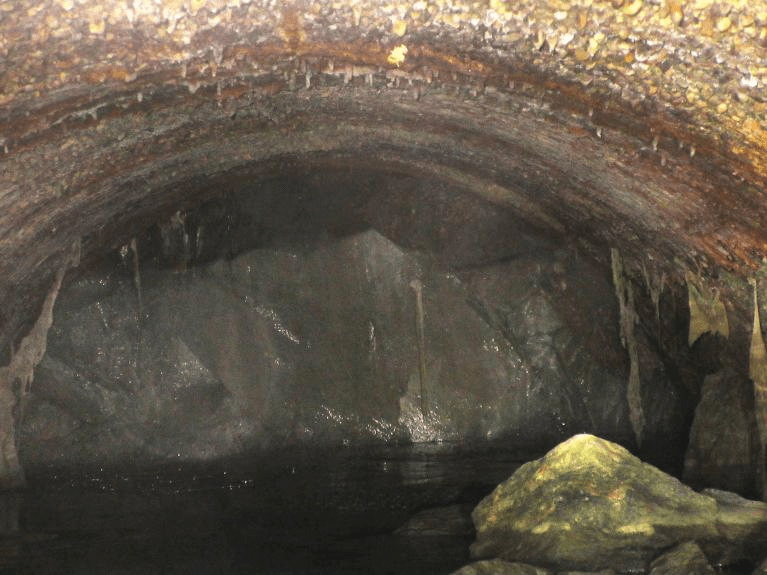
DC Water reported that the overflow originated in the Potomac Interceptor—one of the region’s largest and most critical sewer conduits. These interceptors carry wastewater from multiple neighborhoods to treatment facilities, meaning a single failure can have wide-ranging consequences.
The utility stated that crews responded once the blockage was detected and that river water quality is being monitored as a precaution. No drinking water impacts were reported.
Why It Matters
The Potomac River is not just a scenic asset—it is a shared environmental resource for the District, Maryland, and Virginia. Sewer overflows, even when brief, raise legitimate questions about long-term environmental impact and public confidence in the systems meant to protect public health.
The incident also highlights a broader issue facing the District: much of D.C.’s sewer infrastructure is decades old, buried out of sight, and increasingly stressed by population growth, extreme weather, and heavy rainfall.
Billions have already been spent on large-scale projects like the Clean Rivers initiative, yet events like this suggest vulnerabilities remain.
Transparency and Public Trust
DC Water issued an update after the incident, but critics argue that residents deserve faster and clearer notification when environmental incidents occur—especially those involving public waterways.
From a governance perspective, infrastructure failures test public trust. Residents are asked to support higher utility rates and massive capital investments; in return, they expect reliability, accountability, and transparency when things go wrong.
The Bigger Picture
Sewer overflows are not unique to Washington, but they are becoming harder to dismiss as isolated incidents. Climate pressures, aging systems, and deferred maintenance collide in moments like this—often with little public visibility until after the fact.
As federal and local leaders debate infrastructure funding priorities, incidents like the Potomac Interceptor overflow underscore the importance of focusing not just on new projects, but on maintaining and modernizing the systems people rely on every day.
What Comes Next
DC Water says it will continue monitoring the affected area and reviewing the cause of the blockage. The utility has not yet indicated whether additional safeguards or inspections will be implemented as a result of the incident.
For District residents, the episode serves as a reminder that infrastructure policy is not abstract—it flows directly beneath the city, and occasionally, into its rivers.
 Federal City News