By FCN Staff
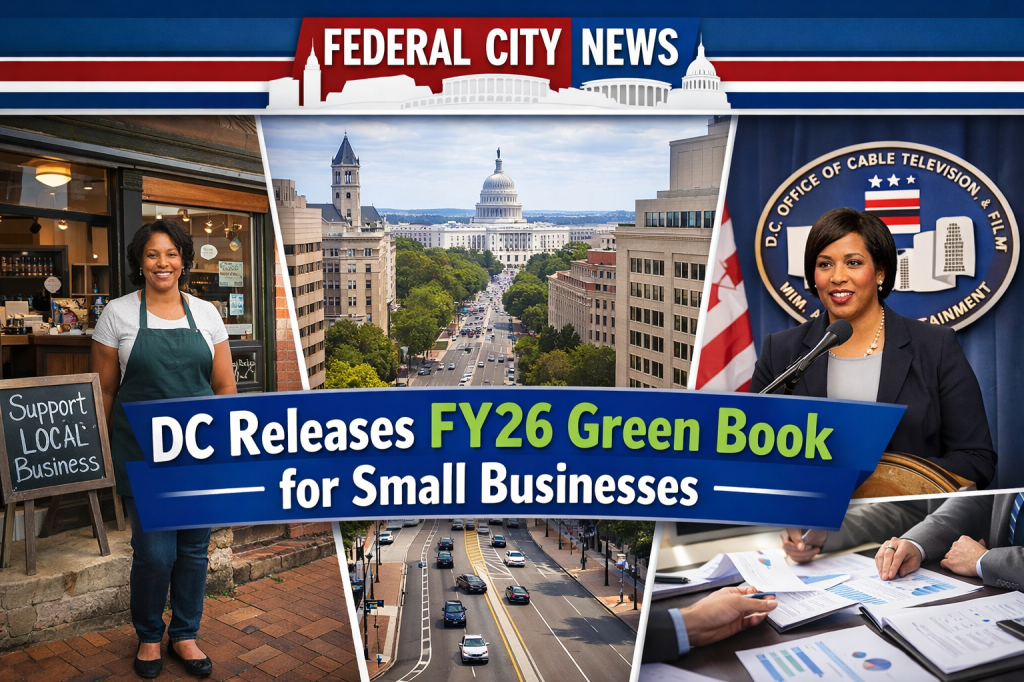
Mayor Muriel Bowser on Thursday released the District’s FY26 Green Book, the city’s annual Small Business Opportunity Guide, a document intended to help local companies navigate government contracting, grants, and procurement opportunities.
The guide, published ahead of the District’s next fiscal year, outlines projected spending across agencies, highlights upcoming contracts, and provides guidance for businesses seeking to work with the D.C. government. City officials describe the Green Book as a transparency and access tool—particularly for small, minority-owned, and locally based businesses.
From a policy perspective, the release underscores the Bowser administration’s continued emphasis on using government spending as an economic development lever. From a center-right lens, however, it also raises familiar questions: does publishing another guide meaningfully expand opportunity, or does it mainly benefit firms already plugged into the city’s procurement ecosystem?
What the FY26 Green Book Promises
According to the mayor’s office, the FY26 Green Book is designed to:
- Provide early visibility into upcoming District contracts
- Help small businesses plan bids and partnerships in advance
- Expand participation in government procurement
- Support local job creation through city-funded projects
The guide is often promoted as a way to “democratize” access to contracting information—reducing the information advantage historically held by large firms and politically connected vendors.
In theory, earlier notice and clearer instructions should lower barriers to entry.
The Persistent Reality of D.C. Contracting
In practice, critics note that D.C.’s procurement system remains complex, time-consuming, and heavily compliance-driven—conditions that often disadvantage truly small businesses.
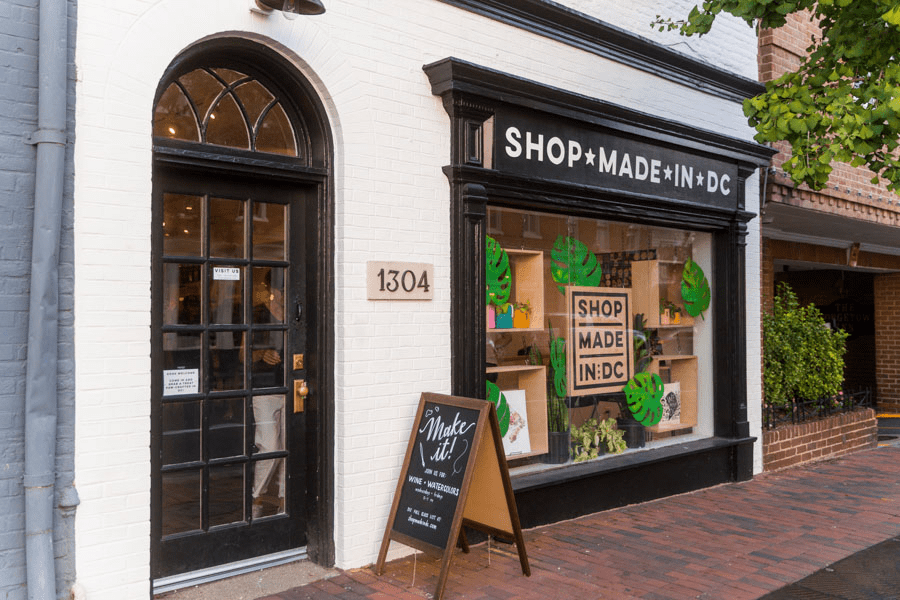
Many mom-and-pop operators lack the staff, legal support, or cash flow to compete for government work, even when opportunities are clearly listed. Others point out that repeat vendors continue to dominate major contracts, while smaller firms are steered toward lower-margin subcontracting roles.
Transparency alone, skeptics argue, does not fix structural barriers.
Economic Development or Administrative Expansion?
The Green Book also arrives as the District faces slowing economic growth, a fragile downtown recovery, and rising concerns about government spending efficiency.
For fiscal conservatives and small-business advocates alike, the key question is not whether opportunities are advertised—but whether the system rewards performance, value, and accountability.
There is also ongoing concern that city procurement increasingly functions as a policy tool rather than a cost-control mechanism, prioritizing social objectives while driving up administrative costs and compliance burdens.
What to Watch Going Forward
As FY26 approaches, business owners and policymakers will be watching to see:
- Whether new entrants actually win prime contracts
- How much spending is directed to genuinely local firms versus large incumbents
- Whether procurement timelines and requirements are simplified
- How results are measured beyond press releases
The Green Book may be a useful roadmap—but a roadmap only matters if the road itself is navigable.
For Washington’s small businesses, the real test will be whether FY26 delivers fewer hoops, fairer competition, and contracts that make economic sense—not just another well-designed PDF.
 Federal City News